
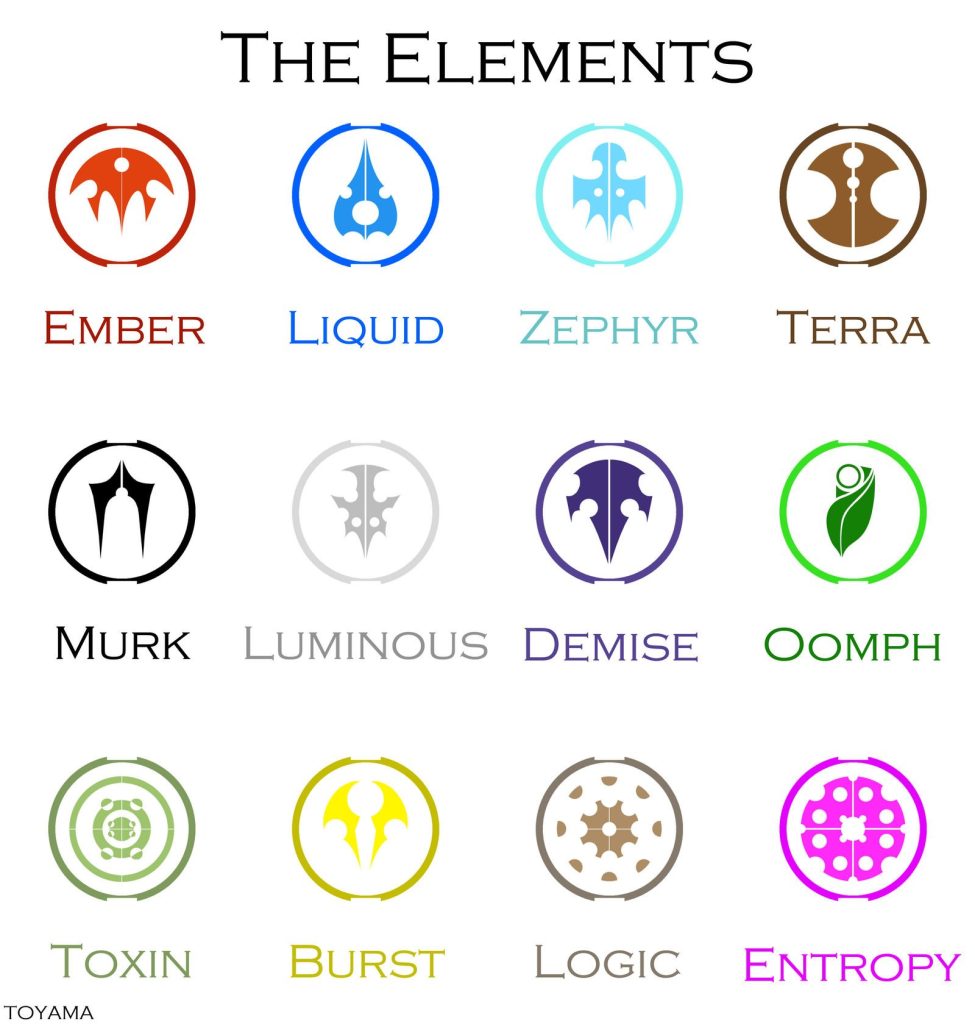
The 12 elements of nature encapsulate the essence of our world. Earth, air, fire, and water, among others, comprise this mystical ensemble that shapes our existence. These elements hold immense power, each with its unique attributes and influence on life. Exploring the 12 elements of nature unveils a profound connection between the physical and spiritual realms, guiding us to a deeper understanding of the universe. Let’s embark on a fascinating journey to unravel the secrets and wisdom that lie within these elemental forces.

What are the 12 Elements of Nature
Welcome to our exploration of the fascinating world of nature! Have you ever wondered about the different elements that make up our natural environment? In this article, we will delve into the 12 fundamental elements of nature that play essential roles in shaping our planet. Let’s embark on this exciting journey together!
The Earth Element
The Earth element is the foundation of all life. It represents stability, grounding, and the physical world around us. From the solid ground beneath our feet to the vast mountains and valleys, the Earth element is a symbol of strength and resilience.
Types of Earth
There are different types of Earth, ranging from fertile soil for plants to rocky terrains that form majestic landscapes. Each type of Earth has its unique characteristics and plays a crucial role in supporting various forms of life.
The Water Element
Water is a vital element that sustains all living organisms. It represents fluidity, adaptability, and emotional depth. The oceans, rivers, and lakes are teeming with life, thanks to the nurturing properties of the Water element.
The Power of Water
Water has the remarkable ability to shape the land through erosion and deposition. It also regulates the Earth’s temperature and plays a crucial role in the water cycle, ensuring the continuity of life on our planet.
The Fire Element
Fire is a transformative element that represents energy, passion, and creativity. The warmth of the sun, the crackling of a campfire, and the spark of inspiration all reflect the essence of the Fire element.
The Energy of Fire
Fire provides light and heat, essential for sustaining life on Earth. It also symbolizes courage and willpower, driving us to overcome challenges and pursue our dreams with determination.
The Air Element
Air is the invisible yet vital element that surrounds us at all times. It represents intellect, communication, and freedom. The gentle breeze, the powerful wind, and the breath of life all embody the qualities of the Air element.
The Essence of Air
Air enables the exchange of gases necessary for respiration in living beings. It also carries seeds for new growth, disperses pollen for plant reproduction, and influences weather patterns across the globe.
The Ether Element
Also known as “Space,” the Ether element is the subtlest of all elements. It represents vastness, interconnectedness, and the infinite possibilities of the universe. The night sky filled with stars and galaxies exemplifies the boundless nature of Ether.
The Mystique of Ether
While Ether is intangible, it provides the space for all other elements to exist and interact. It acts as a backdrop for cosmic phenomena and inspires us to explore the mysteries of the universe beyond our earthly realm.
Exploring the 12 elements of nature opens our eyes to the rich tapestry of life on Earth and the interconnectedness of all living beings. Each element plays a unique role in sustaining our planet and shaping our experiences. By appreciating and respecting these elements, we can cultivate a deeper connection with nature and strive to protect our environment for future generations.
The Periodic Table Of Elements Is Nature's Complete Masterpiece
Frequently Asked Questions
What are the 12 elements of nature?
The 12 elements of nature are Earth, Water, Fire, Air, Space, Light, Darkness, Time, Mind, Soul, Sound, and Consciousness. These elements are believed to represent different aspects of the natural world and play a significant role in various spiritual and philosophical practices.
How do the 12 elements of nature influence our surroundings?
The 12 elements of nature influence our surroundings by being the foundational components of the universe. Each element interacts with the others to create balance and harmony in the environment. For example, Earth provides stability, Water symbolizes fluidity and purification, Fire represents transformation and energy, Air signifies movement and communication, and Space allows for expansion and growth.
Can the 12 elements of nature be found in different cultures and belief systems?
Yes, the concept of the 12 elements of nature can be found in various cultures and belief systems around the world. While the specific interpretations and meanings may vary, the fundamental idea of these elements playing a crucial role in the natural world and human existence is a common theme across different traditions.
Final Thoughts
In conclusion, the 12 elements of nature encompass earth, air, fire, water, space, metal, wood, sky, sun, moon, lightning, and rainbow. Each element plays a vital role in maintaining balance and harmony in the natural world. Understanding these elements allows us to appreciate the interconnectedness of all life forms and the environment. Embracing and respecting what are the 12 elements of nature can deepen our connection to the world around us.


